Preparing for a mammogram comes down to two simple rules: skip the deodorant on the morning of your exam, and wear a two-piece outfit. Knowing in advance how a mammogram works is often enough to turn mild anxiety into just another medical appointment.
October is Breast Cancer Awareness Month, a timely reminder of why regular screening matters. According to the Canadian Cancer Society, breast cancer is the most commonly diagnosed cancer among women in Canada. A mammogram done at the right time, with the right preparation, remains one of the most reliable screening tools available in Montréal.
How a Mammogram Works, Step by Step
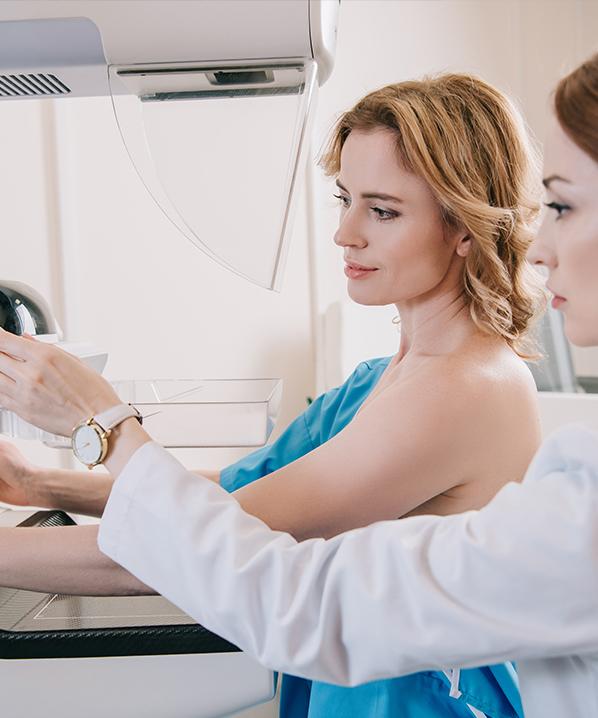
A mammogram takes between 15 and 20 minutes from start to finish. It involves three phases: positioning, brief breast compression, and image capture. No injections or sedation are required.
Here is what to expect during your visit:
Check-in. A radiology technologist welcomes you, verifies your referral and personal information, and walks you through the process before starting. This is the right moment to ask questions or mention any sensitivity you might have.
Positioning. You will be asked to remove your bra and expose the area being examined. The technologist gently positions your breast on the imaging platform, adapting to your body type.
Compression. A clear plate presses down on the breast for just a few seconds. This pressure is necessary: it spreads the breast tissue, produces sharper images, and keeps radiation exposure to a minimum.
Image capture. Two views per breast are typically taken (front view and oblique view). The sequence is then repeated for the other breast.
End of the exam. Once the images are validated, you can get dressed. A radiologist analyzes the images and sends the report to your doctor as quickly as possible.
What to Do (and Avoid) Before Your Mammogram
Preparing for a mammogram involves a few specific steps. None of them are complicated, but they do have a real impact on image quality.
What to do:
- Wear a two-piece outfit on the day of your exam. You will only need to remove your top, which makes the process faster and more comfortable.
- If you have previous mammograms (images or reports), bring them. Comparing current and past images helps the radiologist detect subtle changes over time.
- If your menstrual cycle is regular, try to schedule your appointment between day 7 and day 14 of your cycle. Breasts are typically less tender during this window, which makes the exam more comfortable.
What to avoid:
- Do not apply deodorant, lotion, cream, or perfume under your arms or on your chest on the morning of the exam. These products can show up on imaging and make it harder to interpret the results accurately.
- Remove jewellery before arriving, or plan to take it off at the clinic.
Does a Mammogram Hurt?
For the vast majority of women, a mammogram without significant pain is entirely achievable. The compression does cause some discomfort, but it lasts only a few seconds per image.
If your breasts are naturally tender, avoid booking your appointment during the week before your period. You can also let the technologist know when you arrive: she will adjust the compression to your comfort level, within the limits that image quality requires.
At Léger Radiologie, our team is experienced in supporting patients who feel nervous about this exam. We take the time to explain each step, and we adapt our approach to how you are feeling.
How Often Should You Get a Mammogram?
Recommended screening frequency varies depending on your age and personal or family history. Here are the general guidelines:
- Ages 40 to 49, no particular risk factors: discuss the right frequency with your doctor based on your personal situation.
- Ages 50 to 74: mammogram every two years through the Quebec Breast Cancer Screening Program.
- Family history or elevated risk factors: annual screening is typically advised, sometimes starting as early as age 30 or 40 depending on your medical assessment.
These are general guidelines. Your doctor is the best person to establish a screening schedule adapted to your specific situation.
Do You Need a Referral for a Mammogram?
In Quebec, a medical referral is required for diagnostic mammograms. If your family doctor or a specialist has referred you, simply bring your referral on the day of your exam.
Have questions about what documents you need based on your situation? Contact us before your appointment and our team will guide you right away.
To learn more about our mammography and breast imaging services in Montréal, visit our dedicated page.
Where to Find a Mammogram Clinic Near You in Montréal
Looking for a mammogram near you with a short wait time and a reassuring environment? Léger Radiologie offers breast imaging appointments with quick availability, often within a week.
Our clinic is located in Montréal and serves patients from Plateau-Mont-Royal, Ville-Marie, Rosemont, Laval, and surrounding areas. Our team of experienced technologists and radiologists provides accurate diagnoses in a warm, welcoming setting, far from the impersonal atmosphere of large hospital centres.
FAQ: Your Questions About Mammograms
How long does a mammogram take?
The full exam takes between 15 and 20 minutes. The compression of each breast lasts only a few seconds.
Can I get a mammogram if I have breast implants?
Yes. Just let the technologist know before the exam. Additional views are often needed to properly visualize the breast tissue around the implants.
When will I receive my results?
Your images are analyzed by a radiologist, and the report is sent to your doctor. Timelines vary depending on the complexity of the analysis, but Léger Radiologie aims to communicate results quickly.
What does an abnormal result mean?
An atypical finding does not automatically mean breast cancer. In the majority of cases, follow-up imaging such as an ultrasound can clarify the situation. Your doctor will guide you through the next appropriate steps.
To learn more about mammography: legerradiologie.qc.ca/mammographie-imagerie-du-sein/
To book an appointment:
514 523-2121
legerradiologie.qc.ca/nous-joindre/