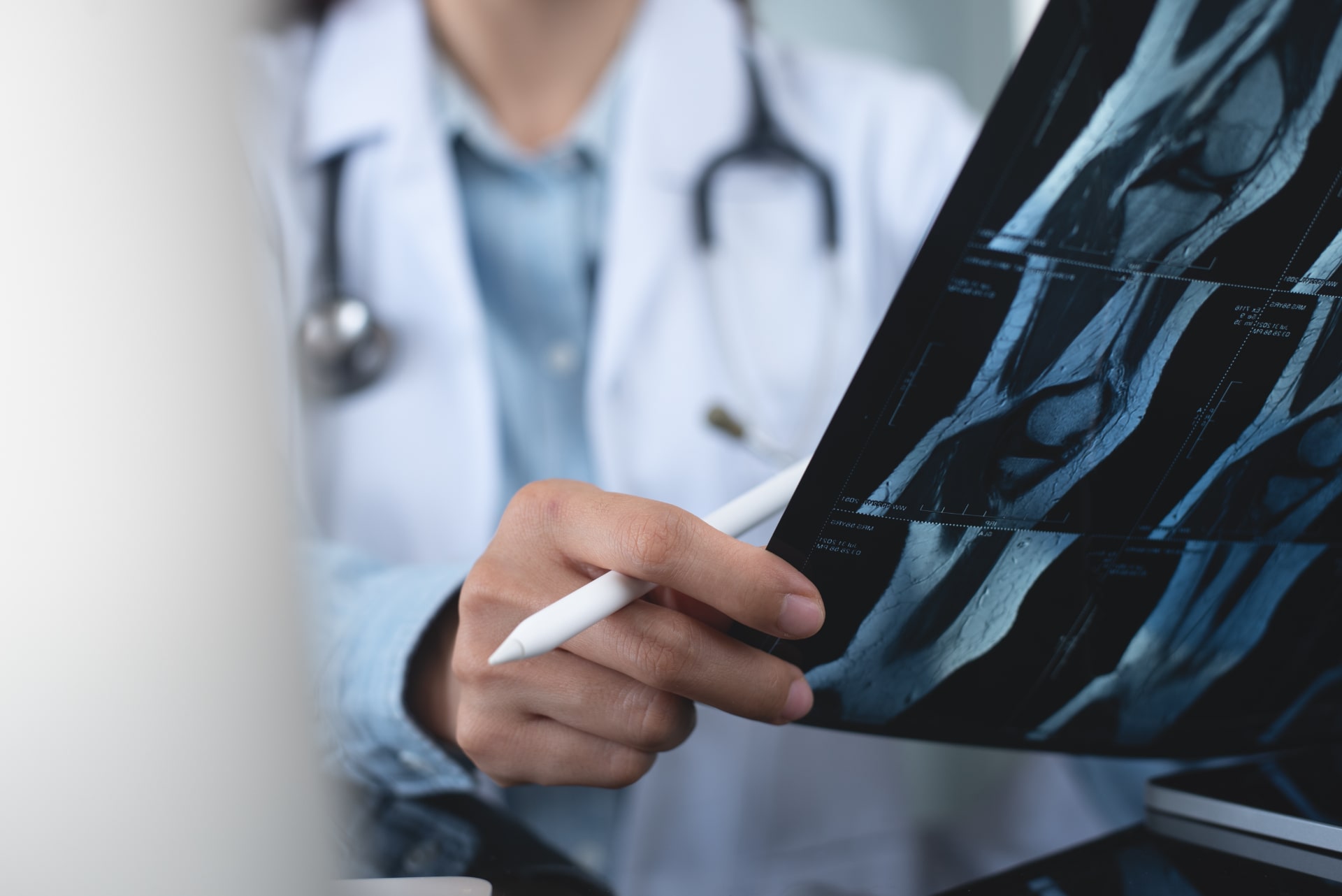
On November 8th, we celebrate International Day of Radiology. This is an opportunity to look beyond the simple image of a broken bone and understand how this technique, at the heart of medical imaging, is a pillar of preventive radiology healthcare.
The true power of radiology is its ability to see the invisible and spot problems well before they manifest through symptoms. In other words, early detection can make all the difference.
X-Rays and Radiology: Clarifying the Terms
It’s easy to confuse these two terms. Radiology is the broad medical field that uses various imaging technologies to diagnose diseases. It is the discipline that studies and practices the use of X-rays, sound waves (ultrasound), and magnetic fields (MRI) to obtain images from inside the body.
An X-ray, on the other hand, is a specific technique used in radiology. It is the exam that uses X-rays to create these images. It is a quick and efficient method, often the first step in evaluating bones, lungs, or for dentistry. In short, an X-ray is a procedure, while radiology is the medical field that encompasses it.
The Power of Preventive Imaging
Why wait for a symptom? The goal of preventive imaging is not to react to a problem, but to anticipate it. This is a proactive approach that can transform a life. By using these technologies, doctors can:
- Detect diseases early: Imaging allows for the detection of anomalies (tumors, cysts, inflammation) at a stage where symptoms have not yet appeared. This is the case with screening mammograms, which can identify breast cancer long before a mass is palpable.
- Plan more effective treatments: By providing a detailed image of a disease’s size, extent, and location, imaging helps healthcare professionals choose the best treatment plan, which significantly increases the chances of success.
- Ensure accurate follow-up: Imaging is also essential for monitoring the evolution of a disease or the effectiveness of a treatment.
Concrete Examples of Early Detection
Early detection is not limited to a single type of exam. It touches many aspects of health.
- Mammography: This is one of the most well-known examples of preventive imaging. In Quebec, women aged 50 to 74 are invited to have a mammogram every two years. This simple exam has significantly reduced mortality related to breast cancer.
- Cardiac Ultrasound: For cardiovascular diseases, an ultrasound can evaluate the structure and function of the heart, which is crucial for the early detection of diseases like atherosclerosis.
- Brain MRI: In the neurological field, an MRI can preventively identify anomalies or evaluate the effects of repeated concussions, thus helping to prevent long-term complications.
Léger Radiologie: Your Trusted Partner for Your Health
At Léger Radiologie, we ‘re proud to put our expertise and state-of-the-art technology at the service of your health. We understand the importance of preventive imaging and early detection. Our team of qualified professionals is here to welcome you in a reassuring environment and guide you through every step of the process.
X-rays and other imaging exams are not just pictures; they are powerful tools that allow us to better understand your body and take action in time. Never underestimate the power of prevention. For your well-being, speak with your doctor and ask if a preventive imaging exam is relevant for you.
Have questions about this exam or want to learn more about our services? Contact us now.tez-nous dès maintenant.